
Baker Tree Services is expanding its tree service in Frederick, MD this fall as two pest-management windows open and close simultaneously across Frederick County. The Maryland Department of Agriculture extended the spotted lanternfly quarantine statewide on March 6, 2026, making this the first full fall egg-laying season under a quarantine that now covers every Maryland county. The department confirms that spotted lanternfly females lay eggs from September until first frost. At the same time, the tree-of-heaven herbicide window identified by the University of Maryland Extension, which runs from approximately July until the onset of autumn leaf color, is closing. September is the last reliable month to treat the insect's preferred host before that window shuts for the year.
Those two calendars do not overlap by accident. Spotted lanternfly populations concentrate on tree-of-heaven in late summer and early fall before females disperse to lay eggs on smooth-barked surfaces across the landscape. A tree-of-heaven stand left untreated through September becomes a source of lanternfly pressure for neighboring properties through the winter and into the following spring. Baker Tree Services is scheduling Frederick and Thurmont property evaluations now, while treatment is still on the table and egg masses have not yet been deposited across the site.
"September is when lanternfly females begin laying eggs and when tree-of-heaven treatment is still effective. Those two windows close at the same time."
— Baker Tree Services
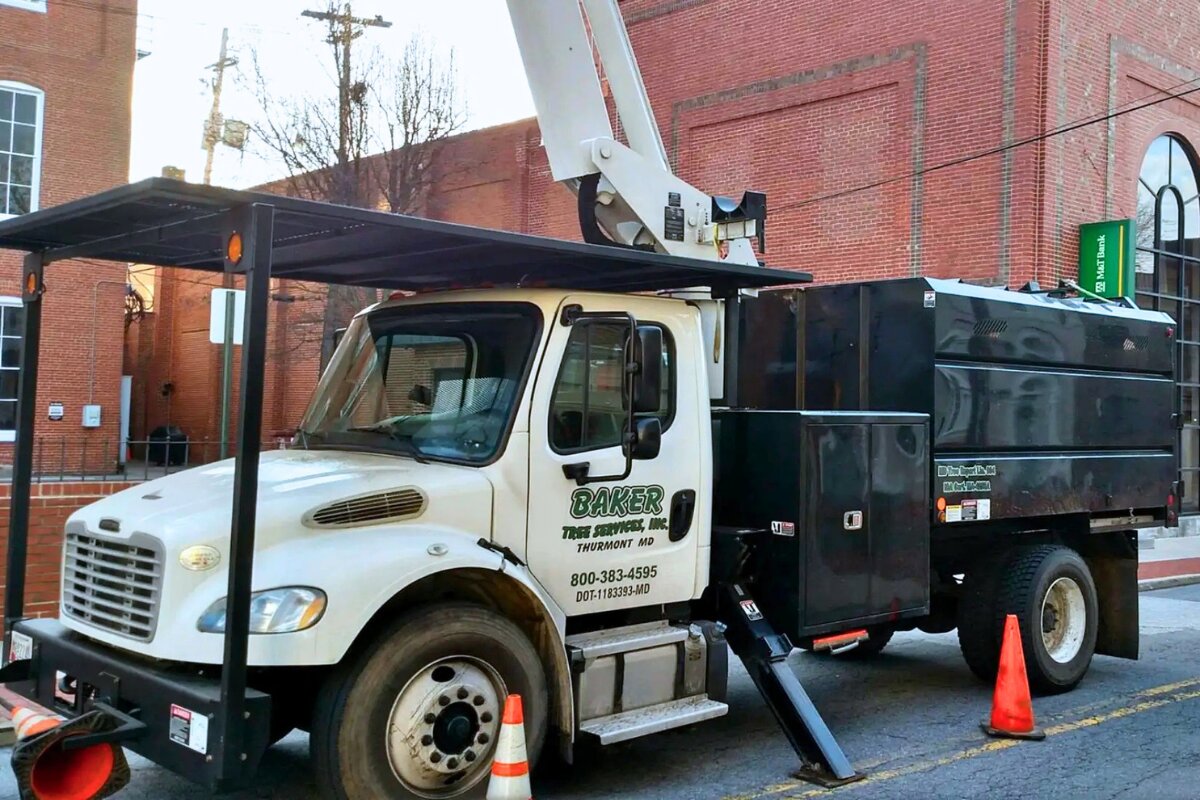
Maryland's Statewide Quarantine: What It Means for Frederick County Property Owners
The Maryland Department of Agriculture's March 6, 2026 quarantine expansion means that every county in the state is now subject to spotted lanternfly movement restrictions. For Frederick County property owners, the practical consequence is not primarily regulatory. It is biological. A statewide quarantine reflects statewide establishment, and statewide establishment means the pest is no longer arriving from outside the region. It is reproducing within it.
Spotted lanternfly does not kill most host trees directly. It feeds by piercing bark and extracting plant sap, which weakens trees over time, reduces their capacity to photosynthesize, and makes them more vulnerable to secondary stress from drought, disease, and other pests. The sooty mold that grows on lanternfly honeydew can further damage foliage and reduce a property's overall plant health. Trees already under stress from other causes are more susceptible to serious decline when lanternfly feeding pressure is added to the load.
Tree-of-heaven is the pest's preferred host and the most productive site for population buildup before egg-laying dispersal. University of Maryland Extension identifies the late-summer to early-autumn period as the most effective window for tree-of-heaven herbicide treatment, because the tree is actively moving nutrients downward into the root system during that period, carrying treatment with it. Once autumn leaf color begins, that movement slows and treatment efficacy drops. September is the month when that window is still open, and lanternfly populations are still concentrated and findable on site.
What Baker Tree Services Delivers in Frederick and Thurmont This Fall
Spotted Lanternfly Site Evaluation
Baker Tree Services' certified arborists assess tree-of-heaven presence, lanternfly population levels, egg mass locations, and overall plant health across the property. Findings determine which treatments apply to that specific site rather than a countywide assumption.
Tree-of-Heaven Treatment
September is the last reliable month for effective herbicide application under the University of Maryland Extension protocol. Baker Tree Services schedules and completes treatment before autumn leaf color closes the window.
Egg Mass Identification and Removal
Spotted lanternfly egg masses on tree bark, stone, and other smooth surfaces can be scraped and destroyed before they hatch next spring. Removing them this fall reduces the population pressure that carries into 2027.
Plant Health Care Plans
Baker Tree Services' plant health care plans connect fall findings with spring 2027 lanternfly management and broader support for trees stressed by feeding pressure, drought, or secondary disease.

Frequently Asked Questions
Does the Maryland statewide quarantine require property owners to treat their trees?
No, but it reflects documented statewide establishment of the pest, which makes proactive management more relevant, not less.
Can spotted lanternfly kill my trees?
Not typically through a single season of feeding, but repeated pressure weakens trees over time. Tree-of-heaven is an exception and should be managed aggressively regardless of lanternfly pressure.
Is September too late to treat tree-of-heaven?
Not yet. The effective herbicide window runs from approximately July until autumn leaf color begins. September is still within that window, but it is closing.
What happens if I wait until next year?
Egg masses laid this fall hatch next spring. A site that carries egg masses through the winter starts 2027 with an established local population rather than outside pressure arriving.
About Baker Tree Services
Baker Tree Services is a professional tree care company serving Frederick County and surrounding Maryland communities, including Frederick, Thurmont, and the broader region. The company provides tree removal, tree trimming and pruning, plant health care, pest and disease management, and related services for residential and commercial properties. To learn more or schedule a fall evaluation, visit bakertreeservices.com.
###
Contact
Baker Tree Services
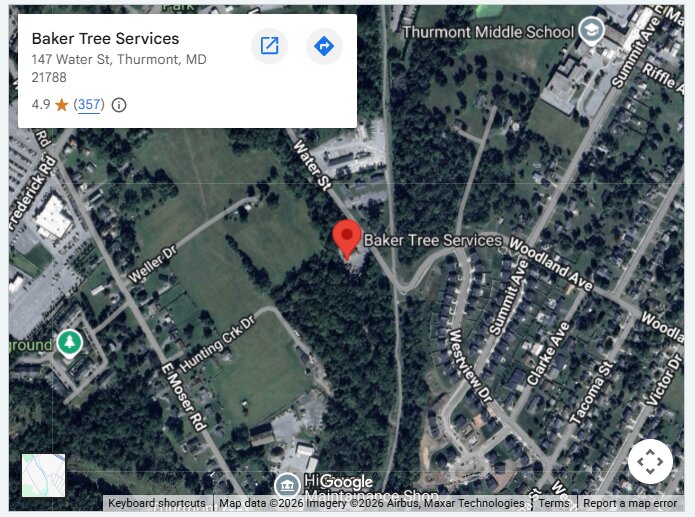
147 Water St, Thurmont, MD 21788
(240) 288-7223
https://bakertreeservices.com/
newsroom: news.38digitalmarket.com
Source: 38 Digital Market News
Release ID: 2628455



